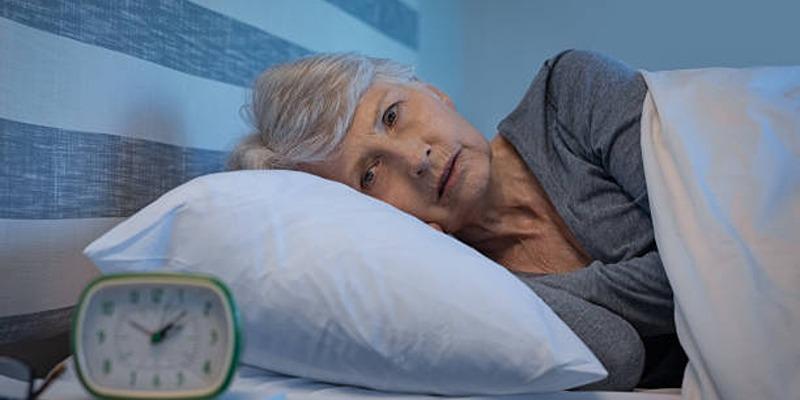
Insomnia is one of the leading sleep disorders and affects millions of individuals throughout the world. It includes problems in initiating sleep, maintaining sleep or early waking, and inability to get back to sleep. Oppunctually, all people can suffer from insomnia, however, old people are more susceptible to its appearance. Insomnia is not a small problem for elderly people; it has an impact on almost every aspect of a person’s life.
Why Is Insomnia a Concern for Older Adults?
Sleep disorders in the elderly can significantly worsen already existing serious health concerns, decrease concentration and memory, and raise the probability of experiencing a fall or other accidents. Lack of sleep or poor sleep that is common in the elderly is ignored or considered normal, but it is vital to treat the causes for a better life.
Common Causes of Insomnia in Older Adults
 Many factors can contribute to insomnia in older adults, including:
1. Physical Health Conditions
Frequent pain due to arthritis, backache, and musculoskeletal problems is one of the significant causes of insomnia. Other diseases that hinder sleep include respiratory disorders like asthma, apnoea during sleep, and many more. Further, diseases such as cardiovascular diseases, diabetes, and Parkinson’s affect sleep.
2. Mental Health Issues
There is overwhelming evidence that anxiety and depression are major causes of insomnia. Stress can make it difficult to get to sleep at night and can originate from any number of causes: finances, health, or feelings of isolation, which are especially prevalent in the elderly population.
3. Medication Side Effects
Many medications used to treat common conditions in older adults can have side effects that disrupt sleep. For instance, beta-blockers for high blood pressure may cause nightmares, while diuretics can lead to frequent bathroom visits during the night.
4. Changes in Sleep Patterns
When people get older they turn out to be lighter sleepers or spend less time in the restorative stages of the sleep cycle. Due to these changes, people in old age can wake up at night to noise, discomfort, or any other reason.
5. Lifestyle and Environmental Factors
Physical inactivity will also minimize the body’s requirement for sleep during its daily activities. A person may also have insomnia due to shift working, use of screens in the evening, or other factors such as noise and temperature.
Effects of Insomnia on Older Adults
Insomnia is not just about feeling tired; it has far-reaching effects on both physical and mental health.
1. Daytime Fatigue
Poor sleep can leave older adults feeling exhausted during the day, affecting their ability to stay active and engaged in daily activities.
2. Cognitive Impairment
Chronic sleep deprivation can impair memory, focus, and decision-making abilities, which can exacerbate age-related cognitive decline.
3. Increased Risk of Falls
Fatigue and reduced alertness can increase the likelihood of falls and accidents, especially in older adults who may already have mobility issues.
4. Mental Health Decline
Insomnia can lead to irritability, and mood swings, and even worsen conditions like depression and anxiety. Over time, this emotional strain can significantly impact quality of life.
Practical Tips to Manage Insomnia in Older Adults
 While insomnia can be a challenging condition to manage, there are several practical steps older adults can take to improve sleep quality:
1. Establish a Soothing Bedtime Routine
Establishing a soothing bedtime routine helps your body recognize when it’s time to relax. Engaging in activities like reading a favorite book, enjoying soft music, or trying deep-breathing techniques can promote calmness and set the stage for a good night's sleep.
2. Stick to a Consistent Sleep Schedule
Going to bed and waking up at the same time every day helps regulate the body’s internal clock, making it easier to fall asleep and wake up naturally.
3. Optimize the Sleep Environment
Ensure the bedroom is conducive to sleep by keeping it quiet, dark, and at a comfortable temperature. Investing in a supportive mattress and blackout curtains can make a significant difference.
4. Stay Physically Active
Regular physical activity, such as walking, yoga, or tai chi, can help older adults fall asleep faster and enjoy deeper sleep. However, it’s essential to avoid intense exercise close to bedtime.
5. Limit Stimulants and Heavy Meals
Caffeine, nicotine, and heavy meals should be avoided in the hours leading up to bedtime. If hunger strikes at night, a light snack like a banana or a glass of warm milk can be more conducive to sleep.
6. Practice Mindfulness and Relaxation Techniques
Meditation, progressive muscle relaxation, and guided imagery can help calm the mind and prepare the body for restful sleep.
Long-Term Strategies for Better Sleep
Achieving restful and rejuvenating sleep is essential for overall health and well-being. By incorporating these long-term strategies into your daily routine, you can improve the quality of your sleep and wake up feeling refreshed and revitalized.
1. Adopt Healthy Sleep Hygiene
Sleep hygiene involves habits and practices that promote consistent, high-quality sleep. This includes limiting screen time before bed, avoiding naps longer than 30 minutes during the day, and creating a quiet, tech-free bedroom environment.
2. Address Underlying Health Issues
Treating conditions like chronic pain, sleep apnea, or restless leg syndrome can alleviate sleep problems. Regular check-ups with a healthcare provider are essential for managing these issues effectively.
3. Engage in Social and Cognitive Activities
Staying socially active and participating in mentally stimulating activities, like puzzles or reading, can help reduce feelings of loneliness and promote better sleep.
Conclusion
Insomnia is a common but manageable issue for older adults. By understanding its causes and adopting practical strategies, seniors can improve their sleep quality and overall health. Prioritizing good sleep hygiene, maintaining an active lifestyle, and seeking medical advice when needed are key steps in overcoming insomnia.
Good sleep is essential for aging well and maintaining a fulfilling, healthy life. If you or a loved one struggles with insomnia, start making small changes today to create a positive impact on sleep and well-being.