Cupping therapy has existed for thousands of years but has only recently become popular as an alternate form of health care. This age-old technique increases blood flow, lowers discomfort, and encourages relaxation using suction cups applied on the skin. But is it truly effective? Some argue its efficacy, while others commend its advantages for reducing muscle tension and improving general wellness.
Cupping therapy promises to naturally address problems like skin disorders, inflammation, stress, and chronic pain. This article will review cupping therapy's possible advantages, how it works, and what research says about it. Ultimately, you will know whether this age-old custom is worth trying for your health.
What Is Cupping Therapy?
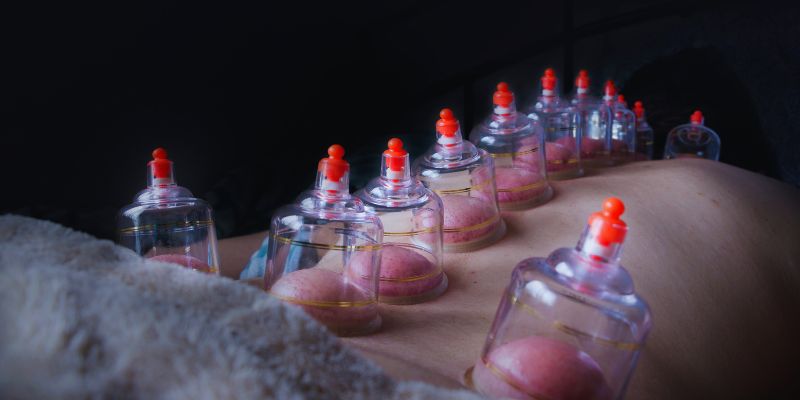
Cupping treatment is a different way to heal, and it has roots in medicine from ancient China and the Middle East. Still extensively used today, it dates back thousands of years. The therapy employs silicone, glass, or bamboo cups to produce a vacuum on the skin. Applying suction lifts the skin upward into the cup. This exercise is supposed to increase blood flow, lower stress, and encourage restfulness.
Cupping leaves marks that are like circular bruises. Usually harmless, though, they vanish in a few days. Cupping comes in two forms: wet and dry. In dry cupping, suction treats the skin by itself. Small incisions in wet cupping let poisons from the body be eliminated. Every technique promises special healing advantages.
How Does Cupping Therapy Work?
Cupping therapy uses suction to boost blood flow to the intended location. The suction generates pressure, activating blood vessels, tissues, and muscles. This procedure could help with natural healing and help to loosen muscles. The pressure created by the cups pulls stationary blood to the surface when they are on the skin. In Chinese medicine, this is thought to eliminate poisons and increase energy flow, sometimes called "Qi." Better circulation helps ease stiffness, irritation, and pain.
The therapy session usually lasts fifteen to thirty minutes. "Moving cupping" is the massage action practitioners can produce by moving the cups along the skin. Though controlled bleeding, wet cupping provides a detoxifying component. Both approaches promise to advance the general welfare. Although the precise processes remain unknown, many patients claim good outcomes following treatment.
Benefits of Cupping Therapy
There are several possible medical advantages of cupping treatment. Many seek this therapy for both psychological and physical relief. The following are some main advantages of cupping therapy:
- Pain Relief: Cupping treatment could help with joint and muscular aches. Better blood circulation helps muscles relax and lessen stiffness. Back, neck, and shoulder pain are commonly used for this.
- Improved Blood Flow: The suction promotes circulation, increasing the blood flow rich in oxygen to particular locations. That accelerates injured tissue repair.
- Stress and Anxiety Reduction: The treatment induces relaxation in the neurological system. Following a session, many people find peace and freedom from tension.
- Detoxification: Wet cupping releases stationary blood, eliminating poisons. It is thought to purify the body from toxins.
- Better Skin Health: Acne, scars, and inflammation can all be helped with cupping therapy. Enhanced blood flow feeds the skin, therefore promoting a better radiance.
Cupping therapy appeals to those looking for natural healing because of these advantages.
Is There Any Scientific Evidence Behind Cupping Therapy?
Although cupping therapy has been used for millennia, few scientific studies exist. In the meantime, specific research indicates that it could have advantages for particular ailments. For those with ongoing pain, it relieves stiff muscles and enhances circulation, helping them relax. Another study analysis showed promising findings for treating disorders, including migraines, neck pain, and lower back discomfort.
Although the precise processes are unknown, most experts believe that pain is much reduced by better blood flow. Cupping treatment may also boost immunity, according to some specialists. The therapy stimulates local tissues, promoting a healing reaction from the body. Still, additional study is required to grasp the scientific foundation of cupping treatment completely. Most of the current research is minor, and their findings differ. Still, user quotes, and anecdotal evidence shows quite favorable results.
Potential Side Effects of Cupping Therapy
Cupping has possible adverse effects, just as any treatment. Though most agree it's safe, not everyone will find it appropriate. Following are some typical side effects:
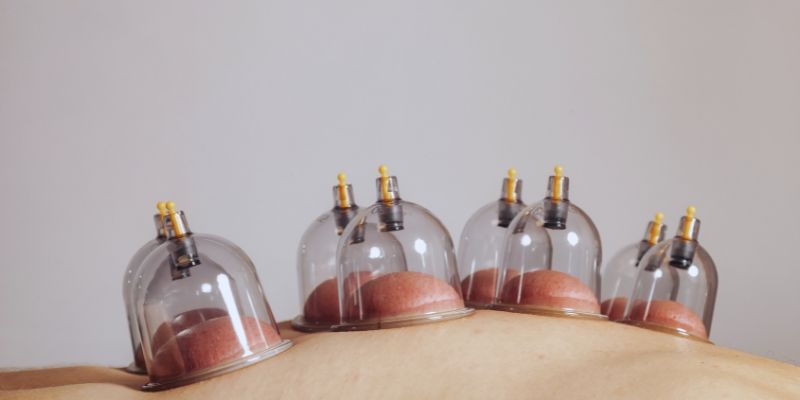
- Skin Marks and Bruising: The suction creates bruised-like circular markings on the skin. Usually, they vanish in a few days.
- Soreness: Some persons could feel little pain after a session. Most of the time, this is short-term and mild.
- Skin Infections: Little wounds involved in wet cupping could cause infections if not done hygienically.
- Dizziness: Some people may feel dizzy or lightheaded after treatment. Though unusual, this is conceivable.
Seeing a trained practitioner will help you to reduce dangers. Reasonable procedures and hygiene guarantee a safe and efficient cupping session.
Who Should Avoid Cupping Therapy?
Though cupping therapy has advantages for many, it is not appropriate for everyone. Some people should forego this treatment to avoid problems. The following is a list of individuals with whom one should exercise caution:
- Expecting Women: Cupping treatment is not advised during delivery, especially on the belly or lower back.
- People with Bleeding Disorders: People with hemophilia or blood clotting problems should not cup since it could aggravate their condition.
- Skin Conditions: Cupping therapy may aggravate psoriasis, eczema, or open wounds.
- Elderly and Children: Young children or older people may find cupping too demanding. See a doctor first.
If you are unclear whether cupping treatment suits you, see a healthcare professional. They can direct you based on your particular medical requirements.
Conclusion:
Cupping therapy is still popular with both ancient roots and contemporary appeal. Many patients claim significant benefits, including pain alleviation, better circulation, and less stress, even if scientific data is still developing. One should see a certified practitioner to guarantee effectiveness and safety. Cupping therapy might be worth investigating whether your interests are in alternative therapies or their healing ability. Knowing its advantages and drawbacks will help you determine whether it is appropriate for your road to health.