Introduction
Berlin is a city of extremes, and its modern city planning mixes with its long past. As people walk through the streets, they see an interesting mix of buildings, public areas, and lively street culture. There is much to see and do on Berlin's streets, from the famous Brandenburg Gate to the busy Alexanderplatz. These streets show Berlin's innovative future and tell the story of its past.
This guide looks more closely at the different parts of Berlin's streetscapes. We will discuss the city's architecture, public areas, street culture, and efforts to make urban planning more environmentally friendly.
The Charm of Berlin’s Architecture
Berlin's diverse architecture reflects its long and complicated history. Neoclassical relics like the Brandenburg Gate and contemporary constructions like the Berlin Hauptbahnhof make the city's streets a visual feast. Berlin's renovated ancient structures and modern architecture demonstrate its capacity to balance the past and future.
The Reichstag, an emblem of German politics, exemplifies this combination. The glass dome symbolizes the city's evolution from history to modernity. Another example is the Berlin Cathedral, a stunning baroque edifice surrounded by contemporary buildings.
Berlin has notable buildings and Bauhaus-influenced constructions, especially in Mitte and Charlottenburg. Simple, efficient structures with clean lines and practical usage give Berlin's streetscapes a distinct character.
The Role of Public Spaces in Berlin
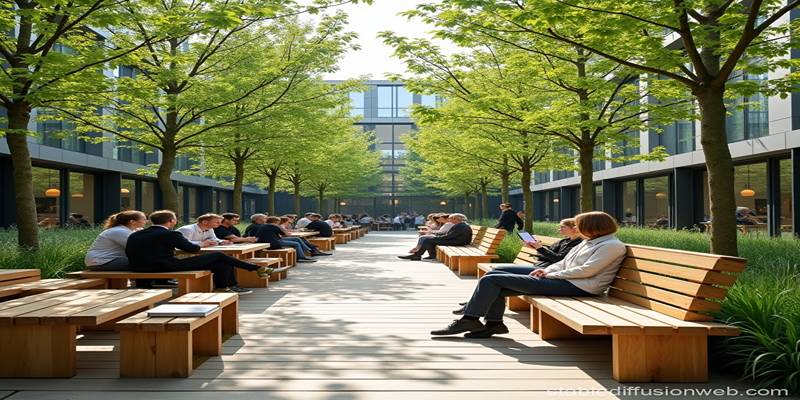
Public areas shape Berlin's streets. Parks, plazas, and pedestrian spaces are vital to Berlin's social fabric, not merely for leisure. These areas promote community by encouraging local-to-visitor contact. The Tiergarten, a vast park in Berlin, is a popular attraction. Alexanderplatz is a busy plaza for shopping, socializing, and entertainment. Berlin's identity depends on these public areas, which provide respite from daily life.
Many Berlin public places are sustainable and enjoyable. Green roofs, urban gardens, and eco-friendly design make cities more habitable and sustainable. Berlin promotes sustainability and green living by incorporating nature into urban places.
The Diversity of Streets in Berlin
One of the most exciting aspects of Berlin’s streetscapes is the diversity of its neighborhoods. Each city area has its unique character, offering different experiences for residents and visitors. Whether it's Charlottenburg's upscale streets or Kreuzberg's artistic and youthful vibe, Berlin’s streets are always full of energy and diversity.
In Kreuzberg, street art plays a significant role in defining the neighbourhood’s identity. Murals and graffiti cover walls, turning the streets into an open-air gallery that reflects the city’s creative spirit. Meanwhile, areas like Prenzlauer Berg offer tree-lined streets with charming cafes and boutique shops, creating a more relaxed, yet equally vibrant, atmosphere.
This diversity is not limited to the physical appearance of the streets. Berlin’s multicultural population is reflected in the variety of food, music, and cultural events on the streets, creating an inclusive environment where all cultures are celebrated.
Berlin’s Street Culture
Berlin’s streets are alive with activity. Street performers, local markets, and festivals bring the city to life. The Mauerpark Flea Market, held every Sunday, is a famous example of how Berlin’s streets become gathering points for locals and tourists alike. It’s a place to shop for unique items, listen to live music, and enjoy the vibrant atmosphere.
Berlin's street culture also has roots in its history. The Berlin Wall, which once divided the city, has left a lasting mark on its streets. The East Side Gallery, a preserved section of the Wall, is an open-air gallery showcasing paintings and murals that reflect the city’s past and commitment to unity.
The spirit of freedom and individuality is another key element of Berlin’s street culture. People from all walks of life express themselves through fashion, art, and music, creating a dynamic environment where self-expression is encouraged. Whether it’s a street musician playing in front of the Berlin Cathedral or an impromptu dance performance on the streets of Friedrichshain, Berlin’s streets are constantly filled with creative energy.
The Importance of Sustainability in Urban Design
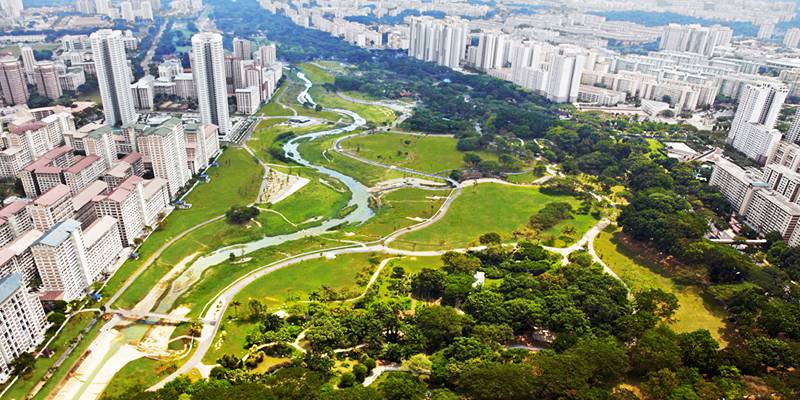
Sustainability is a key theme in the design of Berlin’s streets. The city places great importance on reducing its environmental impact through green spaces, efficient public transportation, and eco-friendly urban planning. Many of Berlin’s streets feature bicycle lanes and pedestrian zones, making it easier for people to move around without relying on cars.
The city is also committed to creating green spaces within urban areas. Many buildings have green roofs or vertical gardens, contributing to the city's sustainability goals. Additionally, Berlin’s public transportation system is one of the best in the world, with extensive bus, tram, and subway networks that help reduce traffic congestion and pollution.
Berlin’s focus on sustainability is not only about environmental impact but also about creating a more livable and enjoyable urban environment. Green spaces, public transportation, and eco-friendly initiatives help make Berlin a city that values both people and the planet.
Berlin’s Streets: From Division to Unity
Over the years, Berlin’s streetscapes have transformed significantly. The city’s history—marked by division, war, and eventual reunification—has played a critical role in shaping its urban landscape. The city's rebuilding after World War II, the construction of the Berlin Wall, and the eventual reunification all contributed to the current form of Berlin’s streets.
Today, Berlin is a city where old and new coexist harmoniously. While many historical landmarks have been preserved, new buildings, streets, and public spaces have been created. This unique combination honors Berlin’s past while embracing its vibrant future.
Conclusion
Berlin streets are more than simply roads. They showcase the city's culture, history, and vitality. Berlin's varied architecture, bustling street culture, and sustainability make its streets distinctive and exciting. You feel Berlin's vitality as you walk its streets. Neighborhoods, buildings, and public spaces tell stories and define the city. Berliners and visitors will be impressed with the city's streets.