A circadian rhythm is said to be a biological clock through which our system is able to know the right time to sleep, wake up and even other activities. However, the modern man has changed his life cycle disrupting his biological clock which results in poor sleep and fatigue. Truth be told, it is not impossible to fix your circadian rhythm and here are some tips that should help. Small lifestyle modifications can convert into a healthier life and you should not be too hard on yourself. Below are six easy ways for you to get back on track.
What is a circadian rhythm?
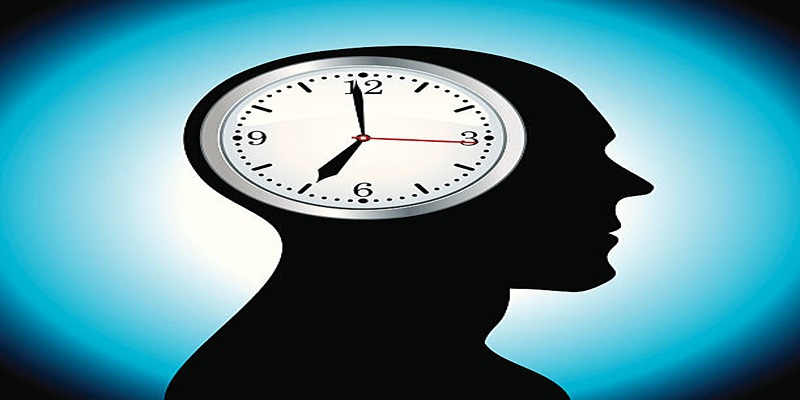
Circadian rhythm is an internal system occurring in our body that controls the sleeper-wakeer cycle. The sleep is controlled in the hypothalamus, the little portion in the brain that has sensitivity in light and darkness. This biological station keeps us active during the day and sleepy at night.
Another function regulated by our body clock include the release of hormones, digestion, body temperature regulation and blood pressure. Any disturbance to this pattern may result in such effects as; fatigue, mood swings, new extra weights, and other related chronic diseases.
1. Stick to a consistent sleep schedule
Establishing early to bed and early to rise is one of the best natural ways of dealing with the circadian rhythm. It also makes the body get accustomed to the rhythm of going to bed and arising at the certain time or period more easily thus making it one of the best ways by which people can have a natural sleep. It is recommended to go to bed and wake up at the same time every day, getting between 7 and 9 hours of sleep each night and not sleeping in on weekends, either.
While it might be tempting to sleep in or stay up late occasionally, doing so can disrupt your progress. The more consistent you are, the more your body will thank you.
2. Avoid bright light at night
Exposure to bright light in the evening can disturb your circadian rhythm by signaling to your brain that it’s still daytime. This can suppress the production of melatonin, the hormone responsible for helping you feel sleepy. To minimize this disruption, dim the lights in your home a couple of hours before bedtime and consider using blackout curtains or blinds to block out external light.
Additionally, reduce your exposure to screens from devices like phones, tablets, or computers, as they emit blue light, which can interfere with your ability to fall asleep. If avoiding screens entirely isn’t possible, you can use blue-light-blocking glasses or enable night mode settings on your devices to reduce the impact. Creating a calm, dim environment in the evening will help signal to your body that it’s time to wind down and get ready for rest.
3. Get natural light during the day
Exposure to natural light during the day is crucial for keeping your circadian rhythm in sync. Sunlight helps regulate your body's production of melatonin, the hormone that controls sleep, by indicating when it's time to be alert and awake. Try to spend time outside each day, especially in the morning, as this is when light exposure has the strongest effect on your internal clock.
If spending time outdoors isn’t feasible, position yourself near windows or consider using a light therapy box, which mimics natural sunlight. Bright light during the day not only boosts your energy and mood but also helps you feel sleepier at night when it starts to get dark. Regular exposure to natural light provides a powerful cue for balancing your circadian rhythm.
4. Exercise regularly
Exercise is an excellent way to support your circadian rhythm and improve your overall health. Physical activity helps regulate the release of hormones like cortisol, which plays a key role in your sleep-wake cycle. Aim to engage in moderate exercise for at least 30 minutes most days of the week. Activities such as walking, jogging, yoga, or strength training can be particularly effective.
To maximize the benefits for your circadian rhythm, try to exercise earlier in the day or in the afternoon. Morning workouts can help signal to your body that it’s time to be awake and active, while avoiding intense exercise too close to bedtime prevents overstimulation that might interfere with your ability to fall asleep. Regular exercise can enhance your energy levels during the day and promote deeper, more restorative sleep at night.
5. Avoid stimulants close to bedtime
Caffeine and nicotine can all disrupt your circadian rhythm by keeping you alert and awake when your body is trying to wind down. It’s important to limit or avoid these substances in the evening if you’re struggling with sleep issues. Caffeine has a half-life of up to 6 hours, meaning it could still be affecting your system hours after consumption. Nicotine is also a stimulant that can interfere with sleep quality, so it’s best to avoid smoking to bedtime.
Practice relaxation techniques

Stress and anxiety can significantly impact your circadian rhythm, making it harder for you to relax and fall asleep. By incorporating relaxation techniques into your daily routine, you can reduce stress levels and promote better sleep quality. Techniques such as deep breathing, meditation, or gentle stretching can be especially helpful in calming your mind and preparing your body for rest.
You can also create a relaxing bedtime routine that includes activities like reading, listening to soothing music, or taking a warm bath. By consistently practicing these relaxation techniques and incorporating them into your nighttime routine, you can train your body to associate them with sleep, making it easier for you to drift off when it’s time for bed.
Conclusion
Achieving a healthy circadian rhythm is crucial for overall well-being and quality sleep. By prioritizing consistent sleep schedules, creating a sleep-friendly environment, and practicing good sleep hygiene, you can optimize your circadian rhythm and enjoy restful nights of rejuvenating sleep. Remember, it's important to consult with a healthcare professional if you continue to experience persistent sleep issues or if you have any underlying medical conditions affecting your sleep.