Traveling through Japan by train is one of the most convenient and efficient ways to experience the country. With its extensive rail network, Japan offers tourists an easy way to explore urban hubs and scenic regions alike. If youre planning to explore Japan, one of the most valuable tools at your disposal is the Japan Rail Pass. Whether you're journeying across the bustling streets of Tokyo, heading to the historic temples of Kyoto, or enjoying the serene landscapes of Hokkaido, the Japan Rail Pass makes it simple and cost-effective to see more.
In this guide, we'll explain everything you need to know about the Japan Rail Passhow it works, the types available, and whether it's worth it for your trip. We'll also cover tips for purchasing and using the pass and practical information to ensure your Japan travel experience goes smoothly.
What is the Japan Rail Pass and How Does It Work?
The Japan Rail Pass is one of the special travel passes that allow unlimited travel across Japan's vast railway system. It is specially created for tourists, thus ensuring a convenient and cost-effective travel experience around the country. Its coverage includes the lines by Japan Railways, known as JR, such as local trains, Shinkansen or bullet trains, limited express trains, some buses, and ferries. It is particularly helpful for those traveling over a long distance as tickets to ride over a long train journey may accumulate fast.
There are various types of the Japan Rail Pass, ranging from 7 to 21 days in duration, allowing you the most flexibility possible when arranging different types of travel. Your purchase order is sent, but instead of an actual pass, the vendor will give you a valid exchange order to redeem a JR exchange office in Japan for your pass. Upon your first use, your pass becomes activated and works until it's used every consecutive day of the term purchased.
While the pass offers free travel on most JR trains, there are some exceptions. The fastest Nozomi and Mizuho Shinkansen are not available, but other Shinkansen options like Hikari and Sakura are. Plus, it also provides access to some JR buses and ferries, such as the JR Miyajima Ferry and the famous Itsukushima Shrine on Miyajima Island.
Types of Japan Rail Passes
There are two main types of Japan Rail Passes: the Ordinary Pass and the Green Pass. Both offer the same basic benefits, but they differ in their level of comfort.
Ordinary Pass
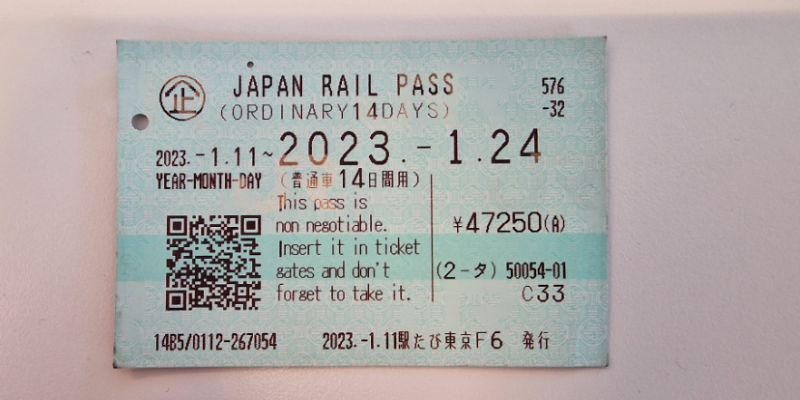
The Ordinary Pass gives you access to standard-class cars, which are comfortable but can sometimes be crowded, especially during peak travel seasons. Most tourists opt for this pass, as it provides excellent value for money while still offering a comfortable travel experience.
Green Pass
The Green Pass gives you access to the premium class (Green Cars) on trains, which are more spacious and less crowded. This is a good choice for travelers who want extra comfort or those traveling during busy times. The Green Cars offer wider seats, more legroom, and quieter surroundings. However, the Green Pass is more expensive than the Ordinary Pass, so its only worth it if you prefer extra comfort or plan on traveling during peak times when trains are more likely to be full.
How to Purchase the Japan Rail Pass?
You have two main options for purchasing the Japan Rail Pass: buy it before you travel or purchase it once you're in Japan.
Purchase Before You Travel
The most affordable option is to buy the Japan Rail Pass before arriving in Japan. You can purchase it online through authorized agents or travel agencies. Upon purchase, you'll receive an exchange order to redeem the pass in Japan. This method offers significant savings, as prices are generally lower when purchased in advance, making it the ideal choice for travelers looking to maximize their budget.
Purchase After You Arrive
You can buy the Japan Rail Pass after arriving in Japan, but it is more expensive than purchasing it beforehand. Passes are available at JR ticket offices, select convenience stores, and travel agencies in Japan. However, the cost is typically 10-20% higher. While this option is convenient for last-minute plans, budget-conscious travelers should aim to purchase the pass before their trip to avoid the added expense.
Is the Japan Rail Pass Worth It?
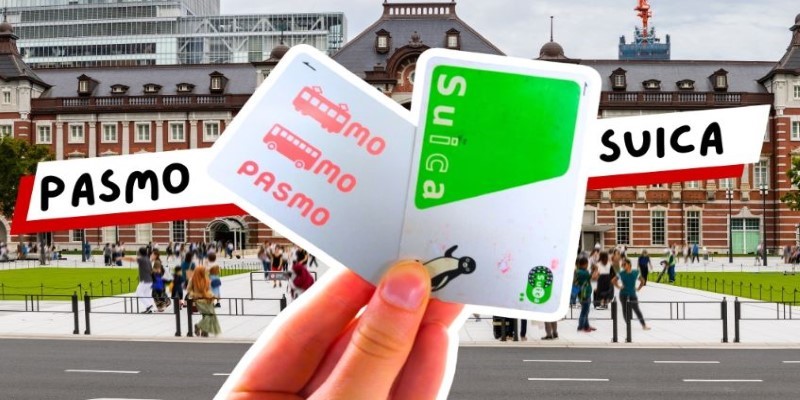
Most travelers ask whether the Japan Rail Pass is worth the cost. To answer that, it depends on your travel itinerary. If you're planning to stay in one region and only make a few short trips, the Japan Rail Pass may not be the best option. For example, if you're visiting Tokyo and exploring the city's local attractions, using a prepaid IC card like Suica or Pasmo may be cheaper and more convenient.
However, if your plans involve traveling between multiple cities or taking long-distance trains, the Japan Rail Pass can save you a significant amount of money. For example, a round-trip ticket between Tokyo and Kyoto can cost around 26,000 (USD 175) on the Shinkansen. Still, a 7-day Japan Rail Pass costs about 29,000 (USD 190), which allows for unlimited travel within that period.
To make the most of the pass, you should plan your itinerary carefully. If you plan to visit major cities like Tokyo, Osaka, and Kyoto and take long-distance trains, the pass will likely pay for itself within just a few trips.
Conclusion
The Japan Rail Pass offers a convenient and cost-effective way to travel across Japan, especially for those planning to visit multiple cities. With unlimited access to most JR trains, including Shinkansen, buses, and ferries, travel is simplified, and money can be saved for long-distance journeys. While it's a great option for extensive travel, it may not be the best choice for shorter trips or city-based travel. By planning your itinerary carefully, you can make the most of the pass, ensuring it enhances your Japan experience and provides flexibility for spontaneous travel across the country.